Our Programs
One girl, one plan, five connected areas of support. Because teenage motherhood, HIV vulnerability, school dropout, and poverty arrive together; our response does too.
Psychosocial Support & Mental Health
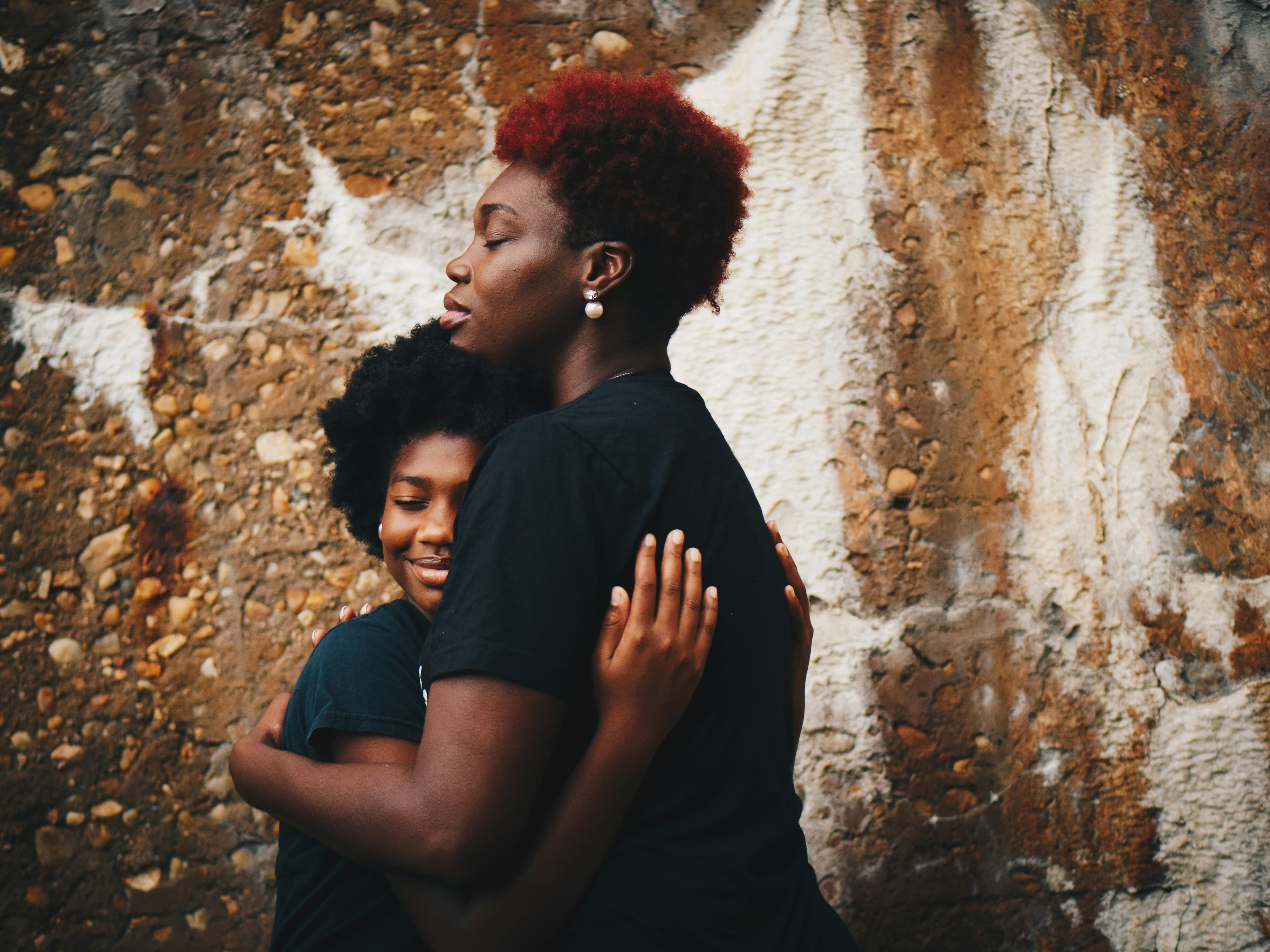
Healing comes first. A girl who has been rejected by her family and pushed out of school cannot plan a future until she feels safe, heard, and valued.
- One-on-one counselling with trained counsellors, using trauma-informed approaches
- Screening for depression, anxiety, and other mental health concerns, with referral to a mental health professional for girls who need clinical care
- Peer support groups where young mothers share experiences and reduce isolation
- Mentorship from trained mentor mothers in each community
- Stigma-reduction work with families and communities
- Crisis support and safe referral for girls facing violence or abuse
How we measure it:
We track participation, wellbeing changes reported by girls, mental health referrals completed, and safe resolution of protection concerns.
Health & HIV Referrals
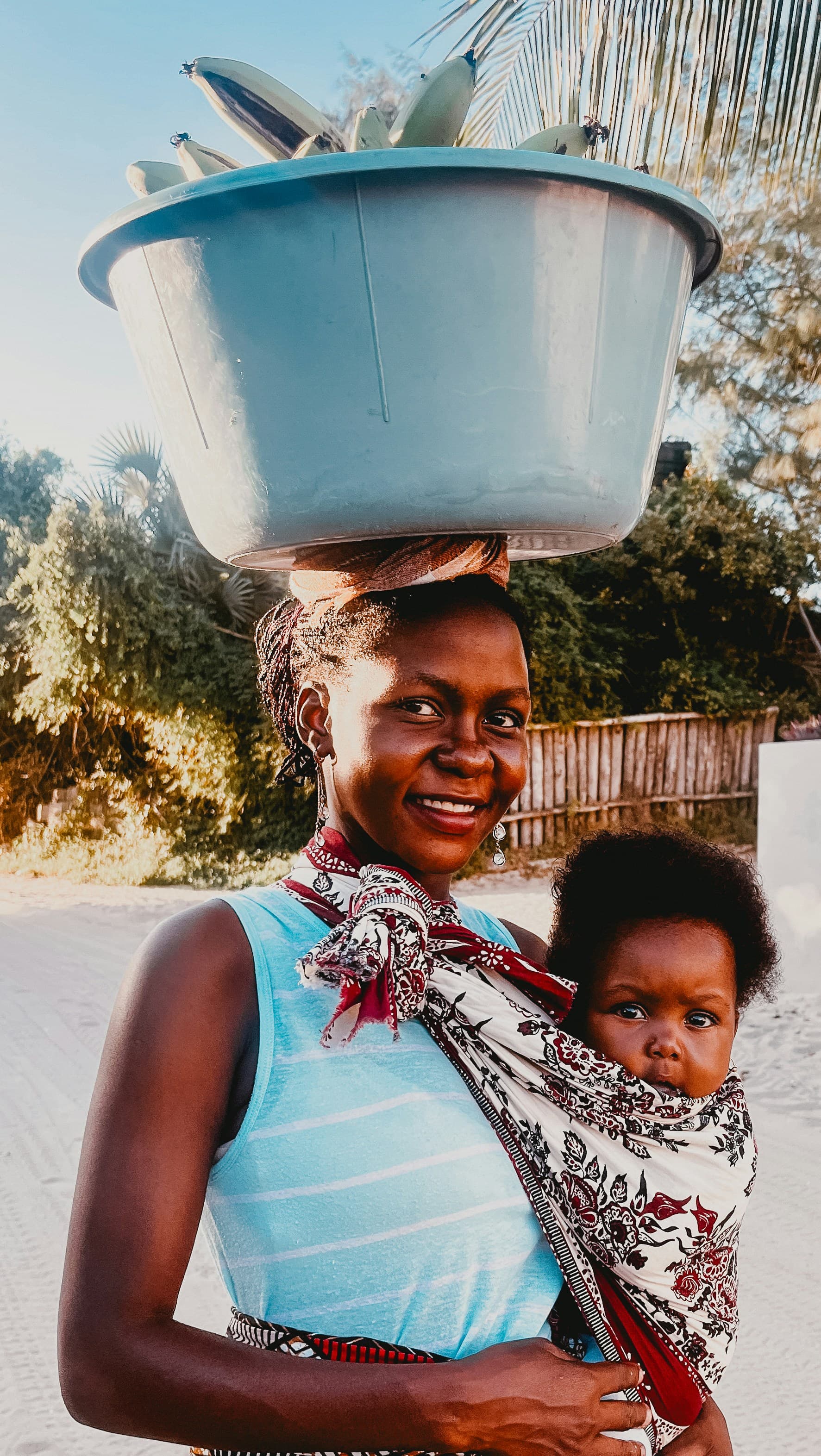
We are not a clinic, and we do not pretend to be. Our strength is making sure every girl actually reaches the health services she and her baby need, and stays in care.
- Referral and accompaniment to adolescent-friendly HIV testing, counselling, and treatment
- Linkage to prevention of mother-to-child transmission (PMTCT) services
- Support to attend antenatal and postnatal care appointments
- Child health follow-up: immunization, nutrition, and growth monitoring
- HIV prevention education and sexual and reproductive health information
- Menstrual health education and sanitary pad distribution, so no girl misses school or a clinic visit for lack of pads
How we measure it:
We track referral completion, retention in care, and clinic attendance, in coordination with local health facilities and with strict confidentiality.
Education & School Re-entry
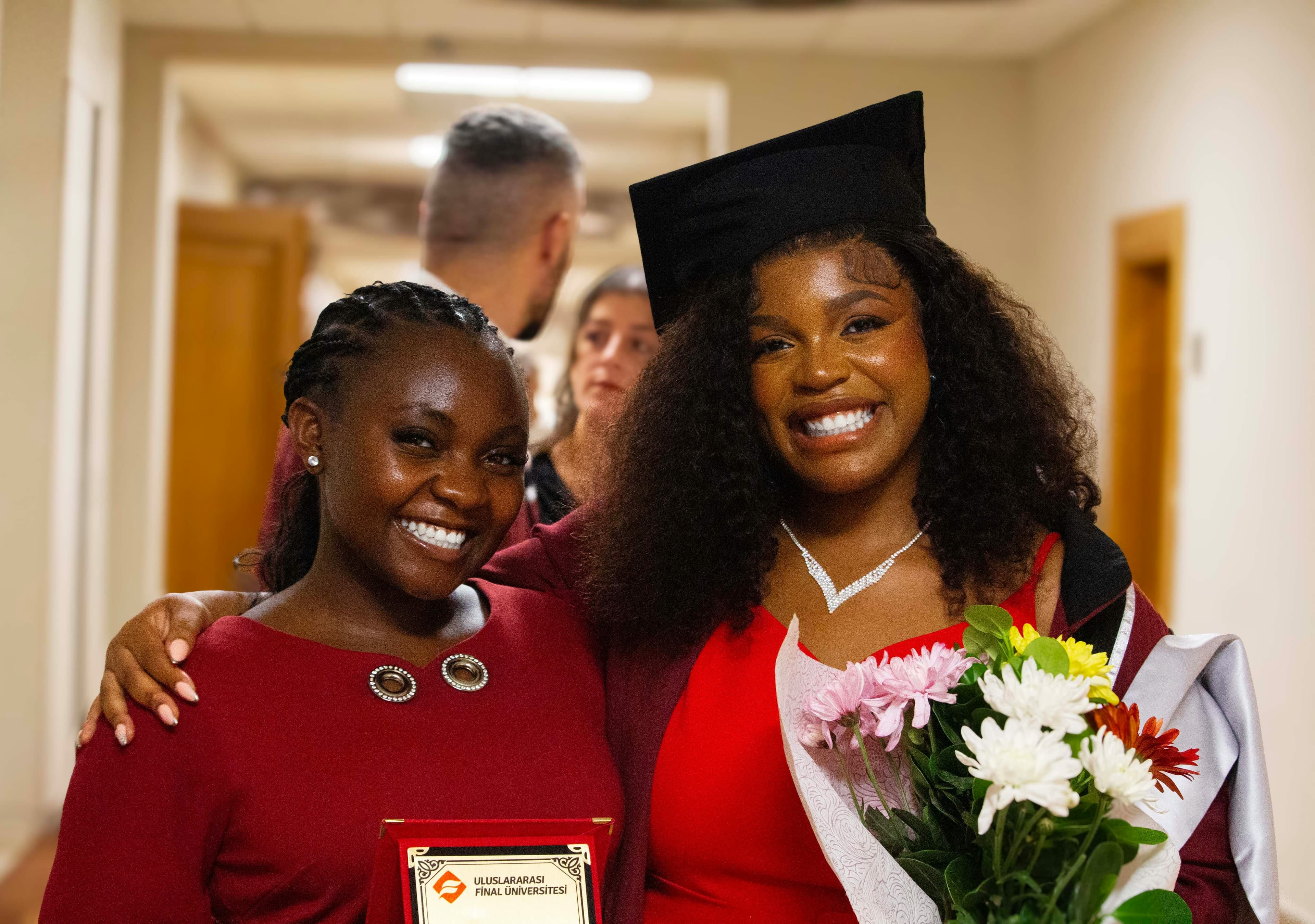
Pregnancy ends too many school journeys in western Kenya. We help girls go back, and stay.
- School re-entry negotiation with schools and families
- School fees assistance, supplies, and uniforms
- Tutoring and exam preparation to catch up on lost time
- Literacy and life-skills classes for young mothers not returning to formal school
- Childcare support so mothers can attend class
- Career guidance toward further education and training
How we measure it:
Most girls we support return to school; we track re-entry, retention through the school year, and exam completion.
Livelihoods & Agriculture
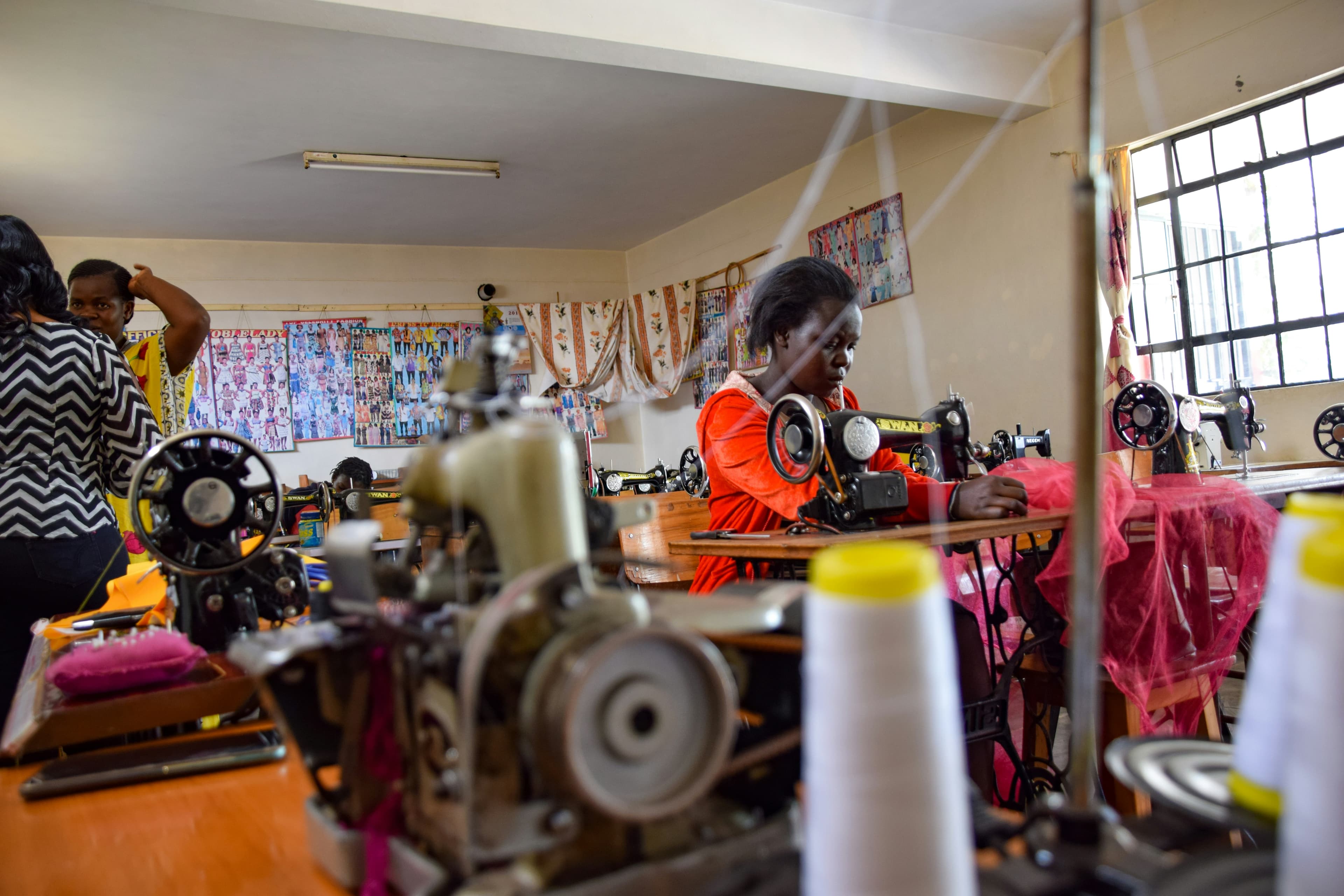
For mothers who cannot return to school, income is protection. Vocational training and agriculture-based livelihoods reduce the transactional relationships that drive both repeat pregnancy and HIV risk.
- Vocational training, including tailoring and hairdressing, with starter kits on graduation
- Kitchen gardens that improve household food security for young mothers and their children
- Agribusiness training and group or cooperative farming that let young mothers pool land, labour, and harvests for income
- Business skills, financial literacy, and savings groups
- Mentorship from local businesswomen and job placement support
How we measure it:
We track training completion, income-generating activity after graduation, and household stability.
Family Strengthening & Parenting
A girl’s recovery lasts when her family stands behind her. We work with caregivers and households, not just the girl alone.
- Positive parenting support informed by evidence-based approaches such as the Sinovuyo parenting programme
- Caregiver dialogue to rebuild communication and reduce conflict at home
- Family mediation for girls rejected after pregnancy
- Support for the home environment around adolescents receiving HIV and maternal health services
- Early childhood care guidance for young mothers
How we measure it:
We track family reunification, caregiver participation, and the home environment of children in the programme.

Project FAHARI: a safe place to land
Some girls are put out of home when they become pregnant. Before counselling, school or training can help, they need somewhere safe to sleep. Project FAHARI is the shelter programme we are planning for them. It would use rented safe housing rather than new buildings, and its first goal is always to get a girl back home to her family, or into a stable room of her own.
How it would work
- Short, supported stays in rented safe housing for girls with nowhere safe to go
- Counselling, health referrals, and school or training continue during the stay
- Family tracing, mediation, and reunification as the first goal
- Where home is not safe, help to rent a room and build an income
- Follow-up visits after she moves on, until she is settled
We did this for about 10 young mothers in Siaya in 2019 and 2020. Project FAHARI makes it a standing programme, and we are building it with partners.
Partner with usA Girl’s Journey With Us
From first contact to planned graduation, every girl follows a clear, case-managed path.
Identification
Community volunteers, schools, health workers, and local leaders refer girls to us, or girls come themselves.
Assessment & Consent
Together with each girl we assess her needs (safety, health, schooling, income, family) and agree on a plan. Nothing happens without her consent.
Integrated Support
Counselling and health referrals start immediately; education or livelihood pathways and family work follow as she stabilizes.
Follow-up & Graduation
Case follow-up continues until she is stable: in school or earning, in care if HIV-positive, and supported at home. Graduation is planned, not abrupt.
Simple Technology, Human Touch
Most of the girls we serve do not own a smartphone, so our technology meets them where they are, and keeps our work traceable for partners.
No smartphone needed
Girls stay connected through SMS, voice calls, and WhatsApp on basic or shared phones. Appointment and follow-up reminders reach them the same way, and our mentors carry the technology to girls who have none.
WhatsApp peer circles
Moderated WhatsApp groups keep peer support alive between meetings, connect mentors to the girls they walk with, and give a young mother somewhere to turn at 9pm, not just on group day.
Digital case records
Every girl’s journey (needs, referrals, follow-ups, milestones) is tracked in digital registers, so no one falls through the cracks and our results can be verified against records, not memory.
M-Pesa, not cash
School fees support, clinic transport, and stipends move through M-Pesa and the organization’s accounts: every shilling traceable, every transfer auditable.
As we scale, we are investing in stronger digital case management that links every referral to a tracked outcome, bringing the discipline of digital-first health platforms to a deeply community-rooted model.
Safeguarding runs through everything
We work with minors and with sensitive information about pregnancy, HIV, and violence. Every activity is governed by our child safeguarding commitments, staff code of conduct, consent procedures, and confidential reporting pathways. Read how we keep girls safe →
Who We Serve
Our Participants
- Adolescent mothers and pregnant girls aged 13–23
- Living in Homa Bay, Siaya, Kisumu, or Migori counties
- Prioritizing girls who are out of school, out of care, or without family support
- All services are free, voluntary, and confidential
Need Support?
If you are a young mother or pregnant girl who needs help, or you know one, reach out. We will listen first.